The Future of HR: Trends Shaping the Modern Workplace
Understanding the future of HR is essential for organizations that want to remain competitive and adaptable. HR today goes beyond hiring, payroll, and keeping employee records. With artificial intelligence, evolving skill requirements, and flexible work arrangements, it is now reshaping as well how organizations attract, manage, and retain talent. By understanding these trends, HR professionals can make informed decisions to strengthen the workforce, update policies, and equip the workforce with tools they will need in managing emerging challenges that affect business performance.
Key Takeaways
Use AI to support decisions, not replace accountability or human review.
Build workforce plans around skills, capacity, and business priorities.
Give managers practical systems for communication, feedback, and performance.
Improve employee experience through accessible and consistent processes.
Measure quality, retention, capability, compliance, and trust.
What Is the Future of HR?
The future of HR is shifting from reactive administration to strategic workforce design. HR teams will continue managing records, policies, payroll coordination, and employee relations while taking a larger role in technology governance, skills planning, manager effectiveness, organizational capability, and responsible decision-making.
HR Becomes a Workforce Strategy Partner
HR is evolving from an administrative function into a strategic partner that helps organizations achieve their business goals. Rather than focusing solely on hiring, payroll, and compliance, HR works closely with leadership to align workforce decisions with business priorities. This includes translating growth plans into staffing requirements, identifying evolving roles, assessing critical skills, and recommending the right mix of hiring, employee development, reskilling, or internal redeployment.
A practical workforce planning template can organize staffing needs, capacity risks, skill gaps, succession concerns, and departmental actions. This helps leaders evaluate different workforce scenarios, from business growth to skill shortage, allowing them to allocate resources effectively.
Administration Becomes More Automated
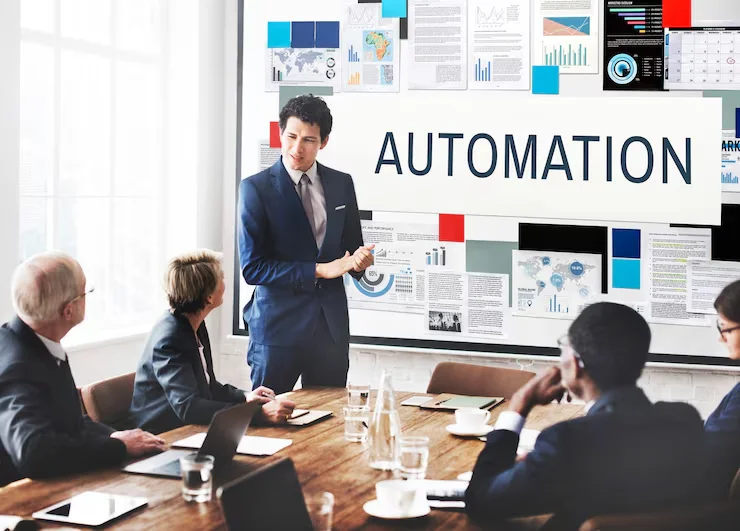
Document generation, leave requests, onboarding reminders, employee questions, and reporting will continue moving into connected systems. Thoughtful HR technology adoption can reduce repetitive work, but only after the process is accurate, documented, secure, and assigned to an owner.
Before implementation, HR should define the problem, required data, approvals, exceptions, and expected results.
Which Trends Are Shaping the Modern Workplace?
The leading developments combine technology, workforce capability, employee experience, and governance. Organizations should prioritize changes that solve a real problem and can be implemented with appropriate policies, data, ownership, and human oversight.
Trend
Workplace Impact
Practical HR Priority
Responsible AI
Speeds up analysis and routine support
Set approved uses and review rules
Skills-based planning
Focuses decisions on capabilities
Map critical skills and development needs
People analytics
Identifies workforce risks earlier
Improve data quality and decision standards
Flexible work
Changes in supervision and coordination
Define team norms and outcomes
Employee self-service
Improves access to information
Keep content accurate and secure
Continuous learning
Helps roles adapt to change
Connect training to capability gaps
Compliance by design
Adds controls to daily workflows
Document requirements and ownership
Responsible AI Requires Governance
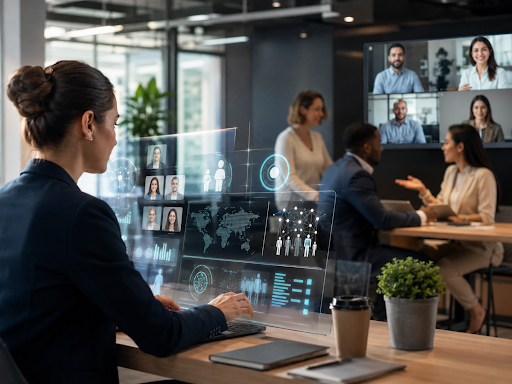
AI can draft documents, summarize feedback, answer routine questions, and identify workforce patterns. It can also create privacy, bias, accuracy, security, and transparency concerns. Responsible use requires approved tools, limited data access, testing, documentation, and human review for decisions affecting employees.
An AI use policy should cover prohibited information, acceptable uses, review duties, vendor checks, and escalation. NIST’s guidance similarly emphasizes trustworthiness throughout AI design, use, and evaluation.
Skills Become More Important Than Static Job Titles
As roles change, a skills-based approach shows what work is needed, which capabilities already exist, and where hiring or development is required. It also supports internal mobility by considering demonstrated capabilities, not only previous titles.
A future of work HR strategy should identify critical skills, adjacent skills, learning priorities, and roles exposed to major change. Global employer research identifies technological change and demographic shifts as important forces shaping jobs and skills through 2030.
People Analytics Supports Better Planning
Workforce data can help HR monitor turnover, hiring speed, labor costs, engagement, and skill availability. The goal is to answer defined questions using accurate, relevant, and responsibly handled information.
Before using predictive analytics in HR, organizations should validate data definitions, access, completeness, and potential bias. Predictions should guide planning, not label employees or automatically determine outcomes.
Flexible Work Becomes an Operating Model
Remote and hybrid arrangements affect how teams coordinate, communicate, evaluate performance, share knowledge, and maintain fairness. Policies should explain eligibility, scheduling, availability, equipment, security, expenses, performance expectations, and location restrictions. Managers also need training to supervise through outcomes and regular communication rather than visibility alone.
Gallup findings indicate that hybrid work remains durable, while trust, communication, accountability, and team coordination shape whether it works well.
Employee Experience Becomes More Systematic
Employee experience is shaped by interactions with managers, policies, technology, workload, recognition, and development. Organizations will increasingly examine the full journey from recruitment and onboarding through performance, advancement, and exit.
Useful improvements include shorter approvals, accessible self-service resources, consistent manager guidance, and visible follow-through after feedback. Well-being efforts should address workload, job design, psychological safety, and manager behavior.
How Will the Future of HR Management Change Daily Work?
HR teams will balance technology, human judgment, compliance, and business priorities. They will spend less time on isolated transactions and more time designing systems, interpreting workforce information, advising managers, and checking policy consistency.
Discussions about the future of HR function design should focus on five responsibilities:
Workforce architect: Translate strategy into roles, skills, capacity, and succession plans.
Technology steward: Establish rules for systems, data, automation, and AI.
Manager enabler: Provide training and standards for people leadership.
Employee advocate: Maintain fair processes and channels for concerns.
Risk partner: Align shared standards with local requirements.
This expanded role does not remove administration. It makes administration more structured, connected, and measurable, so strategic work rests on reliable foundations.
How Can Organizations Prepare for Future Trends in HR Management?
Preparation should begin with business needs, not software demonstrations. A practical roadmap reviews current risks, defines priorities, assigns ownership, and introduces change in manageable stages.
Assess the current system. Review policies, workflows, data, technology, documentation, manager capability, and employee pain points.
Review policies regularly. Update documents when laws, tools, workforce locations, or operating practices change.
Organizations managing employees across jurisdictions should connect this roadmap with global policy consulting so shared standards can be adapted to regional employment requirements. Consistency matters, but one rule should not be applied unchanged in every location.
What Should HR Leaders Measure?
Measurement should connect HR activity with workforce and business outcomes. Each initiative needs a baseline, target, owner, review schedule, and intended action.
Useful measures include:
Process speed, error rates, and completion rates
Hiring quality, time to productivity, and vacancy risk
Turnover, internal mobility, and succession coverage
Skill gaps, learning progress, and demonstrated capability
Engagement, workload, trust, and manager effectiveness
Policy exceptions, employee concerns, and audit findings
AI accuracy, override rates, complaints, and review outcomes
A dashboard that no one reviews only adds reporting work. HR should use fewer, stronger measures and discuss them regularly with leaders who can act on the findings.
Prepare Your Organization for the Future of HR
The future of HR requires adaptable, documented, and measurable systems that support both business priorities and employee needs. Organizations that establish responsible technology rules, strengthen workforce planning, equip managers, and maintain compliant policies will be better prepared as roles, expectations, and operating models continue to change.
To build practical HR strategies, scalable policies, workforce planning tools, and implementation systems, visit the HR Blueprints website. You can also contact us by email at info@hr-blueprints.com or call +639177717728 to speak with an expert who can guide you through the process and help you build a compliant and efficient HR system.
Understanding the future of HR is essential for organizations that want to remain competitive and
Frequently Asked Questions
What Trends Will Have the Greatest Impact on HR?
Responsible AI, automation, skills planning, people analytics, flexible work, continuous learning, and policy governance will have the greatest operational impact.
Will AI Replace HR Professionals?
AI will support selected tasks, but people will still need to apply judgment, manage relationships, interpret context, review risk, and remain accountable.
What Skills Will HR Professionals Need?
HR professionals will need stronger capabilities in data literacy, technology governance, workforce planning, consulting, communication, change management, policy design, and ethical decision-making.
How Should Small Businesses Prepare for Workplace Changes?
Small businesses should document essential processes, fix high-risk compliance gaps, define manager responsibilities, improve workforce data, and adopt technology only where it solves a clear problem.
How Often Should an HR Strategy Be Reviewed?
Organizations should review HR strategy at least annually and whenever business direction, workforce structure, technology, legal requirements, or employee needs change.
Effective employee retention strategies help small businesses keep capable employees by improving management, pay fairness, role clarity, development, recognition, workload,