Modern HR practices are essential for the success of growing companies in today’s competitive landscape. As businesses scale, they need to adjust their HR strategies to manage expanding teams, integrate emerging technologies, and build a culture that enhances productivity, innovation, and engagement. The importance of modern HR practices cannot be overstated, as they provide the structure necessary to attract, retain, and develop top talent, which is crucial for long-term success.
Adopting the right strategies will enable businesses to stay competitive in 2026 and beyond. By leveraging technology in HR consulting and prioritizing employee well-being, companies can thrive in an ever-evolving workforce.
Key Takeaways
- Technology integration involves using automation and AI to streamline recruitment, onboarding, and performance management
- Data-driven decisions rely on analytics to measure employee engagement, retention, and overall workforce health
- Employee well-being is fostered by creating a positive work culture with mental health support and work-life balance
- Agile HR requires flexible policies that adapt to the changing needs of employees
- Diversity and inclusion focus on building a culture that attracts diverse talent and ensures all employees feel valued
Why Modern HR Practices are Critical for Growth
As companies scale, traditional HR approaches often become outdated and ineffective. Implementing updated HR strategies is crucial for businesses that want to remain competitive, improve productivity, and enhance employee engagement.
These strategies help organizations optimize HR operations, ensure compliance, and create an environment that fosters innovation. They not only support the management of a growing workforce but also shape a company’s culture to align with its business goals. In fact, the importance of modern HR practices is particularly evident as we move toward 2026, with HR departments expected to leverage technology and data to drive business decisions.
How Technology Revolutionizes HR
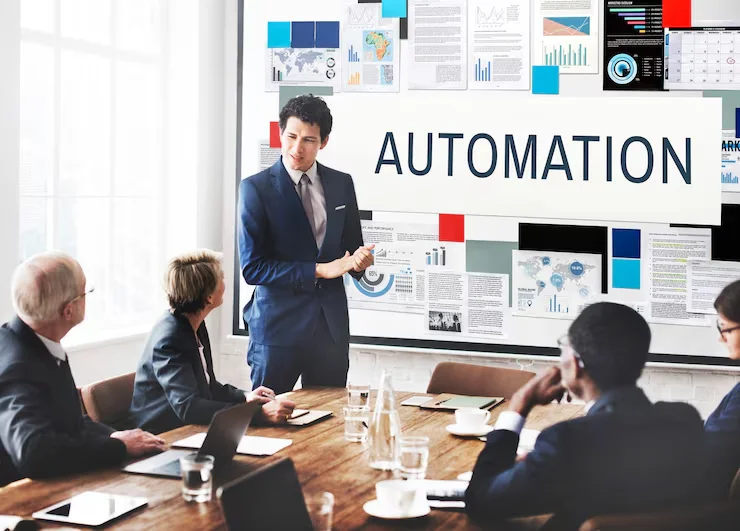
Technology has become a driving force in modern HR. With advancements in artificial intelligence (AI), automation, and data analytics, HR departments can now perform tasks more efficiently, allowing them to focus on higher-value strategic work. Integrating technology used in modern HR consulting practices can transform how businesses recruit, manage, and engage employees.
AI and Automation in HR
AI and automation are revolutionizing modern HR practices by automating repetitive tasks and providing real-time insights into employee performance. These technologies make HR functions more efficient and allow HR teams to focus on strategic initiatives rather than administrative work. For example:
- Recruitment Automation: AI-driven tools can screen resumes, schedule interviews, and even rank candidates based on their fit for a role.
- Performance Management: Automated performance management systems allow HR teams to monitor and evaluate employee performance in real time, providing managers with data that supports continuous feedback and growth.
- Data Analytics: Analytics platforms help HR teams gather insights on employee engagement, retention rates, and other metrics, enabling better decision-making.
Employee Experience Platforms
Modern HR systems also focus on improving the employee experience. Employee experience platforms track employee sentiment, providing actionable insights that can improve job satisfaction and retention. These platforms allow companies to:
- Gather Feedback: Collect real-time feedback through surveys, focus groups, and sentiment analysis.
- Tailor Development: Offer personalized development programs based on employee feedback and performance data.
- Monitor Satisfaction: Regularly assess employee satisfaction and engagement to make necessary adjustments to workplace practices.
By adopting these technologies, businesses can create an environment that values employees, enhances their experiences, and ultimately improves retention and productivity.
The Importance of Employee Engagement in Modern HR
Employee engagement is a key driver of organizational success. Engaged employees are more productive, loyal, and likely to remain with the company long-term. Building a culture of engagement ensures that employees feel connected to their work, their teams, and the company’s mission.
Building a Culture of Employee Engagement
To enhance employee engagement, companies should focus on:
- Continuous Feedback: Implement tools that provide regular feedback, helping employees improve and develop.
- Career Growth: Offer clear career development paths and opportunities for skill-building, ensuring that employees feel like they are growing within the organization.
- Recognition and Rewards: Build formal recognition programs to celebrate milestones and achievements, fostering a sense of appreciation among employees.
By prioritizing employee engagement, businesses can improve morale, reduce turnover, and create a work culture that encourages long-term success.
Modern HR Practices for 2026: Adapting to Changing Workforce Needs
As we approach 2026, the workforce will look vastly different. Remote work, the gig economy, and flexible work arrangements are all trends that will shape how companies operate. Modern HR practices will need to evolve to accommodate these changes and ensure that companies remain competitive in the future of work.
Agile HR: Adapting Quickly to Change
Agility in HR allows companies to quickly adapt to changing workforce needs, market conditions, and business priorities. In an ever-changing environment, businesses must adopt flexible HR practices that can be adjusted in real time.
Key components of agile HR include:
- Flexible Work Policies: Offer remote and hybrid work options to accommodate employees’ diverse needs.
- Real-Time Feedback: Use digital tools to collect and act on employee feedback as soon as issues arise.
- Employee Autonomy: Empower employees to have greater control over their work schedules and environments, increasing overall satisfaction and productivity.
Agile HR practices allow companies to remain responsive to changing circumstances, ensuring that HR practices align with employee needs and business objectives.
Why HR Technology Drives Business Growth
Technology is no longer just an optional tool for HR departments—it’s essential for driving business growth. With the right HR technology in place, businesses can streamline operations, improve decision-making, and enhance employee satisfaction.
Key Benefits of HR Technology
- Efficiency Gains: Automate time-consuming tasks like payroll and recruitment to free up resources for more strategic initiatives.
- Better Decision-Making: Use data-driven insights to make informed decisions about employee engagement, recruitment, and retention.
- Cost Savings: Streamline HR processes to reduce the time and resources spent on administrative tasks, leading to significant cost savings.
As businesses continue to scale, technology in modern HR consulting practices will become even more integral to their success, driving efficiency and creating opportunities for growth.
Steps to Implement Effective HR Strategies
Implementing effective HR strategies involves a strategic approach to ensure long-term success. Below are the key steps businesses should follow to modernize their HR operations:
Step-by-Step Implementation
- Evaluate Current HR Practices: Begin by assessing your current HR processes to identify areas that need improvement.
- Adopt Technology: Invest in HR management systems (HRMS) and AI-driven tools to automate tasks and improve data analysis.
- Invest in Employee Development: Provide training, mentorship, and career development programs to ensure employees grow alongside the company.
- Monitor Employee Engagement: Regularly measure employee engagement using surveys and feedback tools to identify and address issues promptly.
- Promote Diversity and Inclusion: Foster an inclusive environment by creating policies that ensure equal opportunities for all employees.
Drive Business Growth in 2026 with Strategic HR Solutions
Adopting modern HR practices is critical for any company looking to scale and succeed in 2026. Embracing technology, focusing on employee engagement, and fostering a diverse and inclusive culture will streamline HR operations and create a positive environment for long-term growth.
At HR Blueprints, we specialize in helping companies implement cutting-edge HR strategies tailored to their unique needs. Contact us today by calling +639177717728 or emailing info@hr-blueprints.com to discover how we can help you optimize your HR processes and empower your workforce for the future.